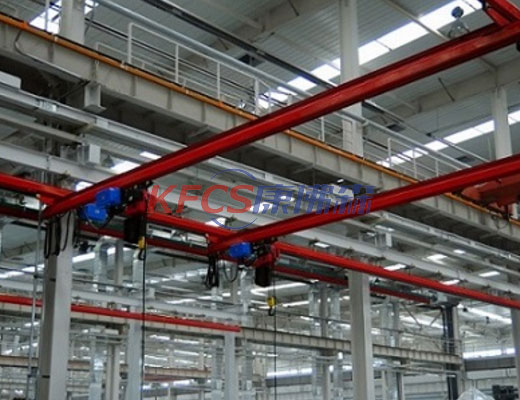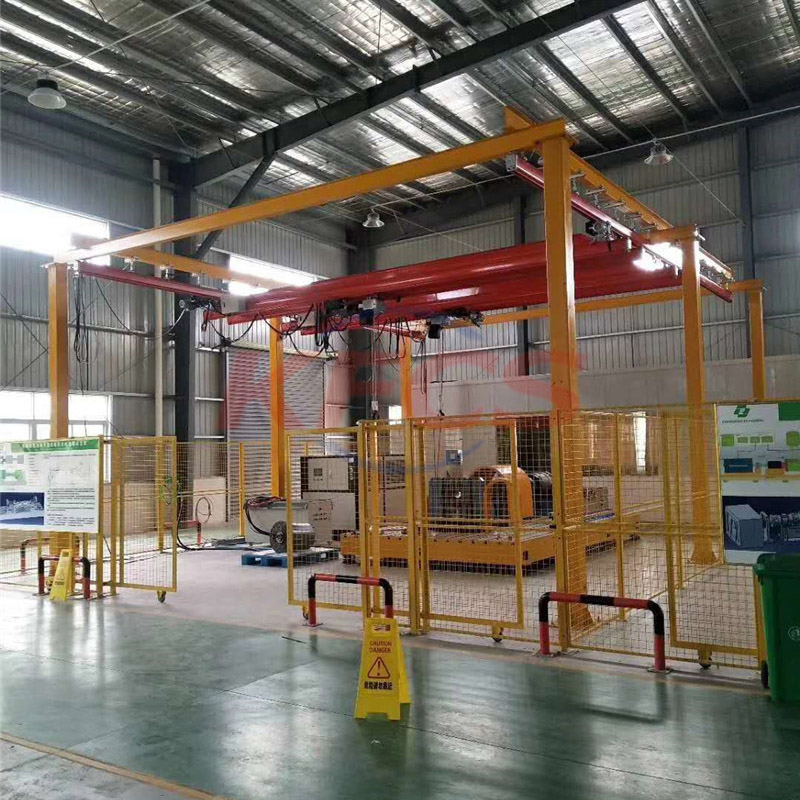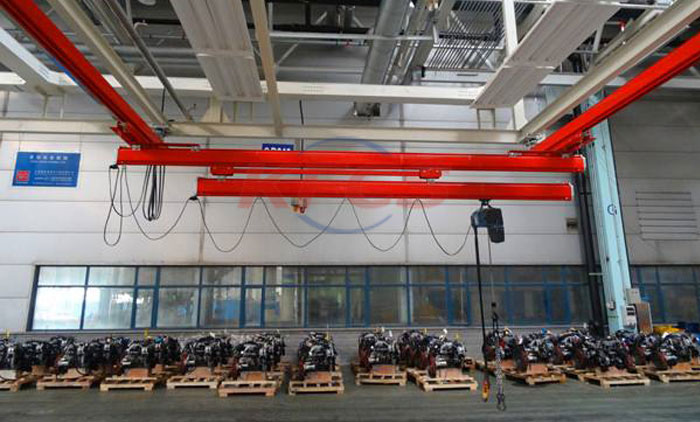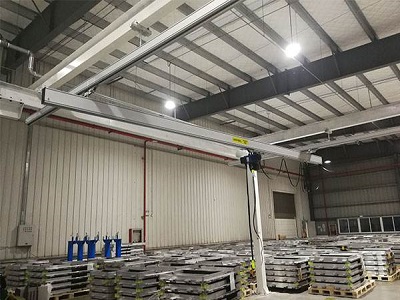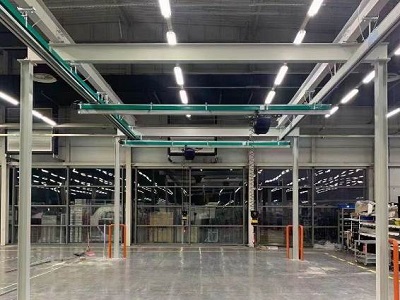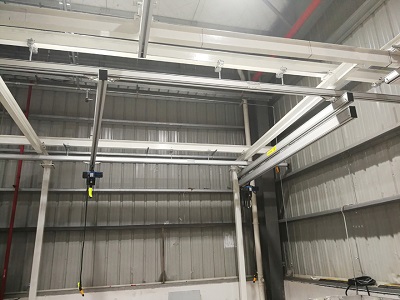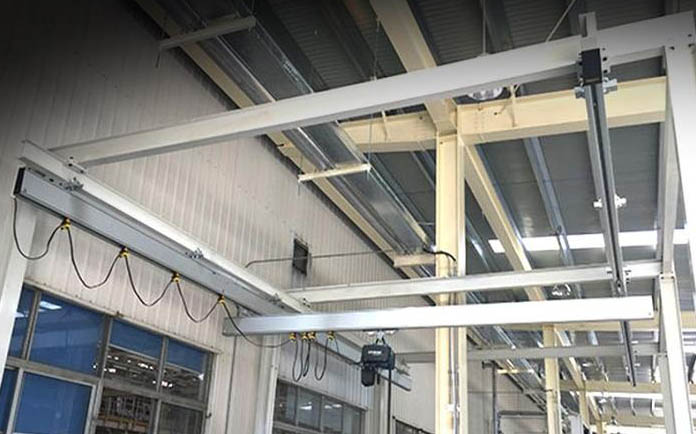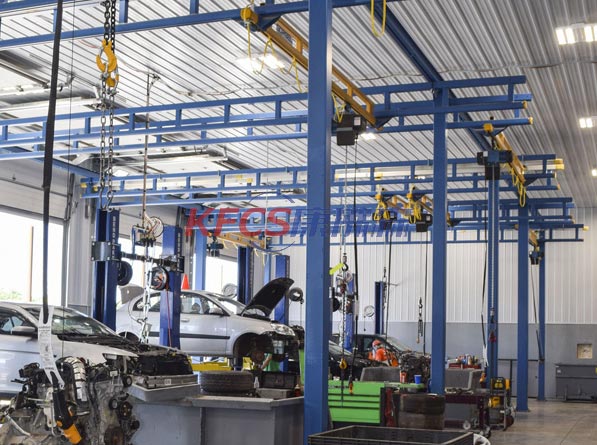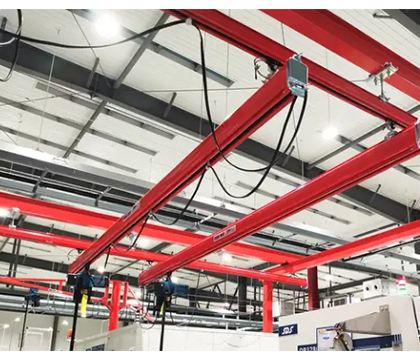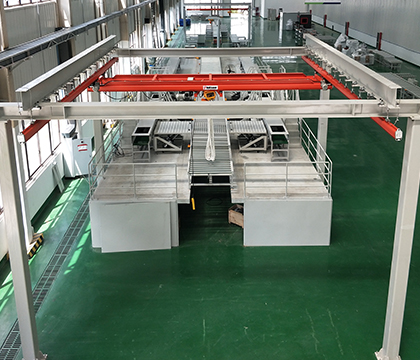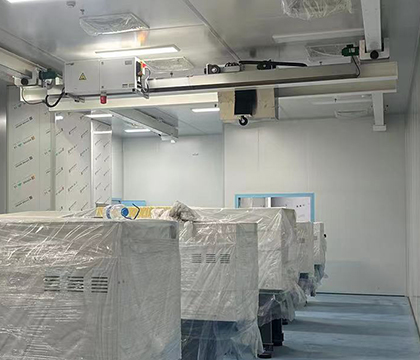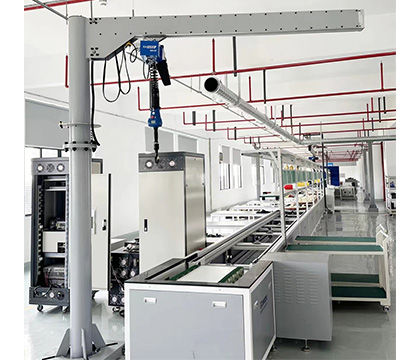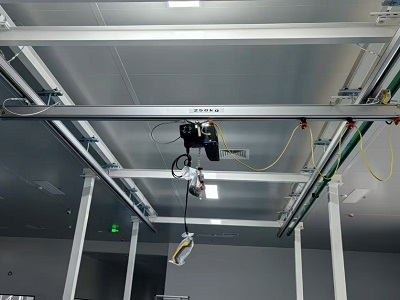
“Each type of crane has its own unique advantages and potential limitations, depending on your application, please contact the Conversation team for a custom quote and layout evaluation for a jib crane.”
Each type of crane has its own unique advantages and potential limitations, depending on your application. This article will detail the advantages, disadvantages and selection considerations of cantilever crane applications, hoping to be helpful to you.
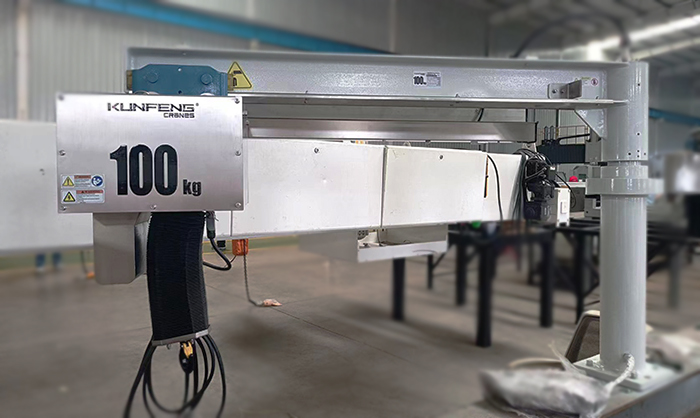
1. Introduction to cantilever cranes
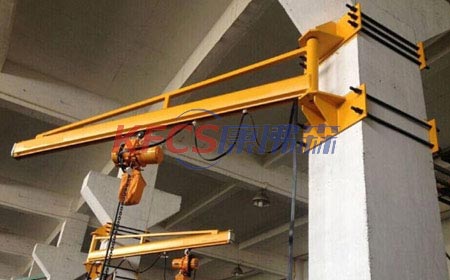
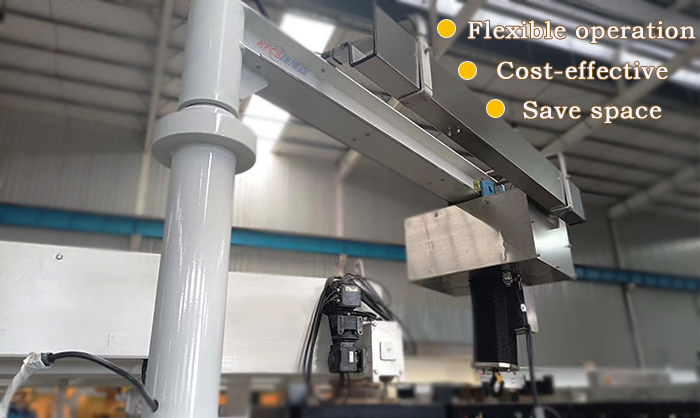
Cantilever cranes are compact local lifting systems that support the hoisting hoist through a rotating boom (arm), and the working area covers a radial 360° rotation. They are generally used for repetitive lifting operations in small or medium-sized areas.
2. Advantages of cantilever cranes
① Compact structure and space saving
Cantilever cranes are designed with a single arm or cantilever structure, with a small size, and can be installed in space-constrained or narrow places and next to machines.
Compared with suspended cranes, there is no need to lay complex tracks, occupy a smaller area, and can operate flexibly in narrow areas.
② High cost-effectiveness
Its structure is simple, maintenance cost is low, and energy consumption is low. The lightweight design uses high-strength alloy materials to ensure load-bearing capacity while reducing energy consumption and long-term operating costs.
③Flexible operation, improve work efficiency
The boom of the cantilever crane can rotate along the horizontal axis, and can be moved in multiple directions with the electric hoist. It is easy to operate and can be hoisted by one person, significantly reducing labor costs and time consumption.
3. Disadvantages of cantilever cranes
① Limited range
The coverage is radial, usually smaller than that of a suspension crane.
② Limited load capacity
Compared with suspension cranes, cantilever cranes have a smaller load range and are not suitable for lifting extremely heavy loads or large equipment.
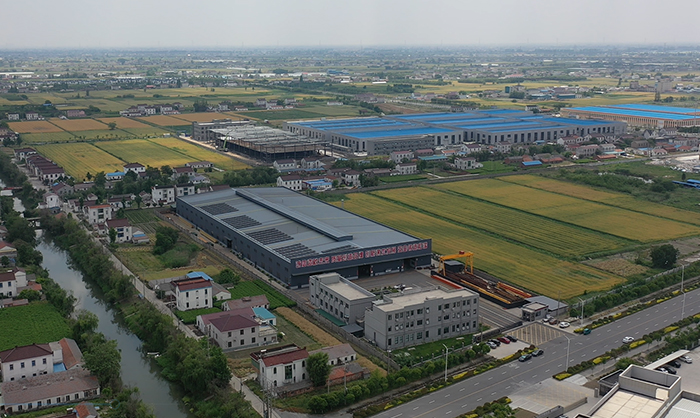
The application of a jib crane depends on your floor space, load requirements and installation feasibility. For ergonomic site-based lifting operations, a jib crane is an unparalleled choice for economical and precise lifting. For heavy component lifting operations within the factory, a jib crane is a strategic choice.
Do you need a jib crane solution tailored for you? Contact the Converson team for a customized quote and layout evaluation.